Project MOVE uses The MOVING Method to help you understand your transition, organize what’s shifting, and take your next step with clarity and support.
You’re In The Right Place
━━━━━━━━
Support for your Move for when you are carry More Than Boxes
If you navigating a move tied to loss, responsibility, or major life change—estate clearings, downsizing, and transitions that requires both emotional steadiness and practical planning.
A Planning-First Approach to Transition
━━━━━━━━
Before physical or tactical work begins, we focus on clarity, decision-making, and structure. The support you receive matches your reality, not a one-size-fits-all solution. This space exists for people who feel stuck, overwhelmed, or unsure of their next move.
You don’t need more information.
You need the ability to decide.
What This Means To You
━━━━━━━━
This work helps you move forward with clarity. It’s about taking steps that make sense for where you’re going. You don’t have to do everything — just the next thing.
Find Your Starting Point
━━━━━━━━
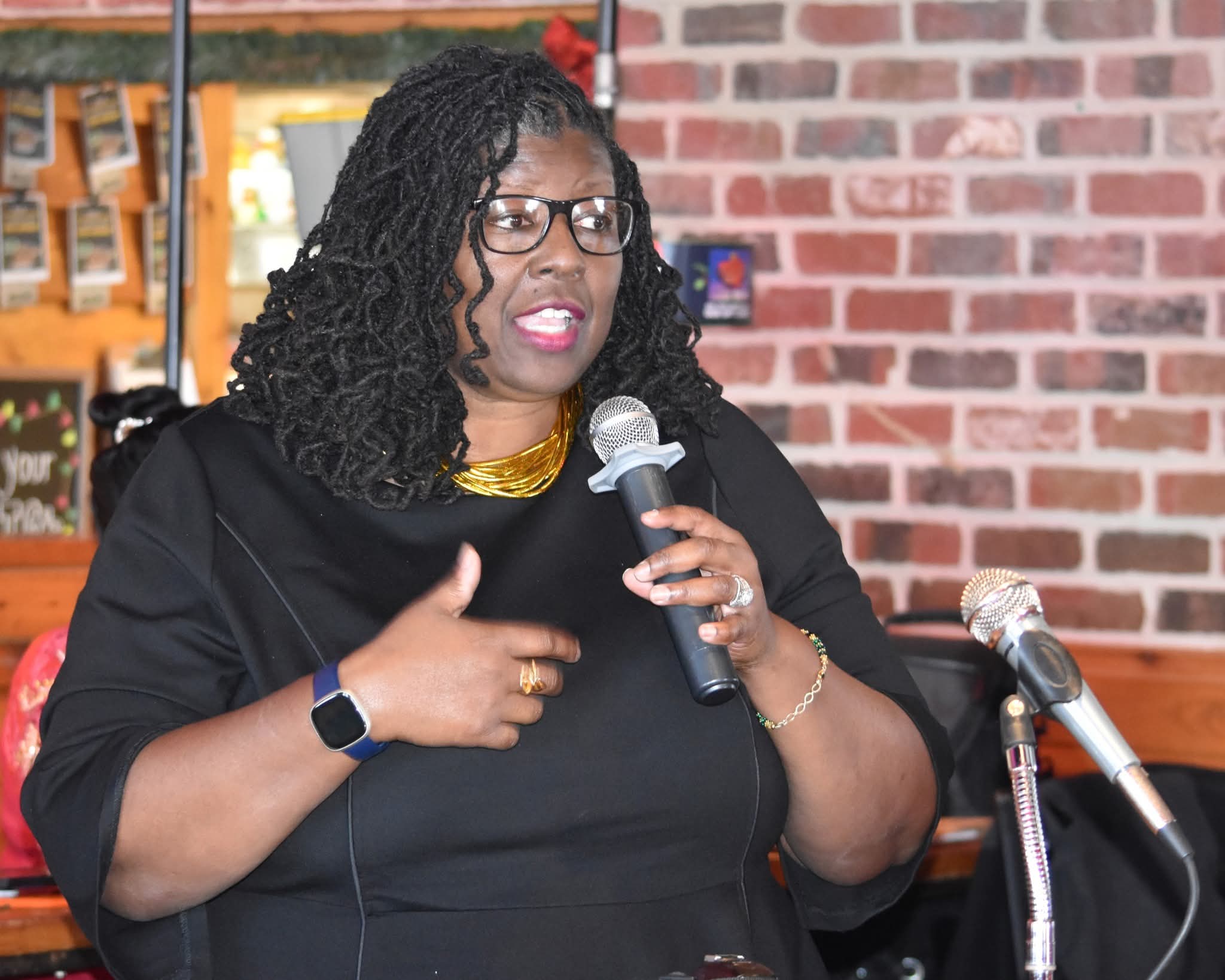
Led by Jevata Crawford, MBA — Social Scientist & Transition Specialist
The Move Happened When I Used My Voice
A move does not always begin with boxes.
Sometimes it begins when the answer you have always given no longer sounds true.
It was my first interview after being let go.
I remember sitting there, listening to the questions, feeling the weight of everything that had just shifted. My job had ended. My routine had changed. What came next was uncertain.
But I knew how to answer interview questions.
There was a version of me that had learned the safe answers the expected, polished, professional ones. The answers that kept everything in place.
I had used them before.
But this time felt different.
Not because I was more prepared, but because I was more aware of what I actually wanted.
When the questions came, I paused.
Not to search for the “right” answer.
I paused to decide whether what I was about to say was true.
And then I said it.
Not perfectly.
Not polished.
But clearly enough that I could hear myself in the answer.
I could hear what I wanted.
I could hear what I didn’t want.
I could hear what mattered to me now.
And that’s when I realized:
the move had already begun.
The Move Was Not Only the Job Loss
At the time, it would have been easy to point to the obvious change:
I had been let go and needed another job.
That was part of it.
But another move was happening underneath the visible one a quieter, more personal shift.
I was moving away from the answers that helped me fit and toward language that reflected what I actually knew, wanted, and valued.
The interview didn’t create that change.
It revealed it.
The move happened when I stopped answering from the version of myself who knew how to keep everything comfortable and began answering from the person I had become.
That is what Voice makes visible.
Voice Is Not About Saying More
I’ve been sitting with the word Voice, and this is what keeps returning:
Voice is not about speaking louder or saying more.
It’s about recognizing when the words you’re using belong to you.
There is an instinct to adjust —
to say what fits,
to soften what you mean,
to stay within what’s expected,
to keep things comfortable.
Sometimes those adjustments are useful.
They help us communicate with care.
But there are moments when adjusting the language changes the truth inside it.
That’s when Voice asks a different question:
Can I hear myself in what I’m saying?
When Language Changes, Something May Be Moving
One of the earliest signs of a move is a shift in language.
The words that once fit may no longer describe what you know now.
The answer you once gave easily may begin to feel incomplete.
A familiar yes may start sounding like a no.
You may know what you mean but hesitate to say it clearly.
You may find yourself rehearsing, editing, or softening words that are already true.
From the outside, it may look like hesitation.
From the inside, something may be moving.
Your values may be becoming clearer.
Your priorities may be changing.
Your understanding of yourself may no longer fit the language you’ve been using.
That is movement.
You may already be in a move.
Recognizing the Move
At Project MOVE, a move is not limited to relocation.
A move begins whenever there is meaningful distance between where you are and where you know you need to go.
Sometimes that distance is physical.
Sometimes it appears in a decision, a role, a relationship, a responsibility, or the way you’re living in your space.
And sometimes the distance becomes visible in your own words.
You hear yourself give the familiar answer and realize it belongs to an earlier version of you.
You pause before saying yes.
You notice that what sounds right no longer feels true.
Recognition doesn’t require immediate action.
It simply means you’ve begun to see what is changing — and that awareness gives you somewhere honest to begin.
It creates room for grace toward who you were, growth into who you are becoming, and grounding in what is true right now.
The Question I’m Carrying
This week, I’m paying attention to the places where I may still be speaking from habit instead of alignment.
Where am I saying what fits instead of what’s true?
Where am I softening something, I already know?
What needs to be said in my own words?
The move may not happen when the perfect words arrive.
It may happen in the moment you recognize your own voice —
and choose not to leave it behind.
Start Where You Are
Start With a Word: Voice is a guided journaling practice and practical application of the MOVING Method™.
It helps you notice the language you’re using, name what you know to be true, and explore how you want to say it now.
It gives you space to move from recognition into reflection —
and from reflection toward one clear next move.
Because before you can plan what comes next,
you have to recognize what is already moving.
FOLLOW US
Facebook
Instagram
LinkedIn